If Your Pricing Structure Isn’t Winning Medals Yet…

She once told me, “If you’re in it for the money, you’re in the wrong business.”
That was my first painting teacher.
And honestly? She had a point. To be an artist—and a painter, in particular, you really had to love it.
So, as an art student, I resigned myself pretty early to the idea that I probably wouldn’t make much money as an artist.
It wasn’t because I lacked talent. I had a natural inclination toward art, excellent teachers, and a lot of drive, even if I didn’t always have the support I wanted.
Still, I was incredibly price-dumb.
So much so that, as a teaching grad student, my students were often pricing their work higher than I was pricing mine.
Fast forward to now, and I can say a few unfortunate situations—and a few very key business relationships—completely shifted the way I think about pricing creative work.
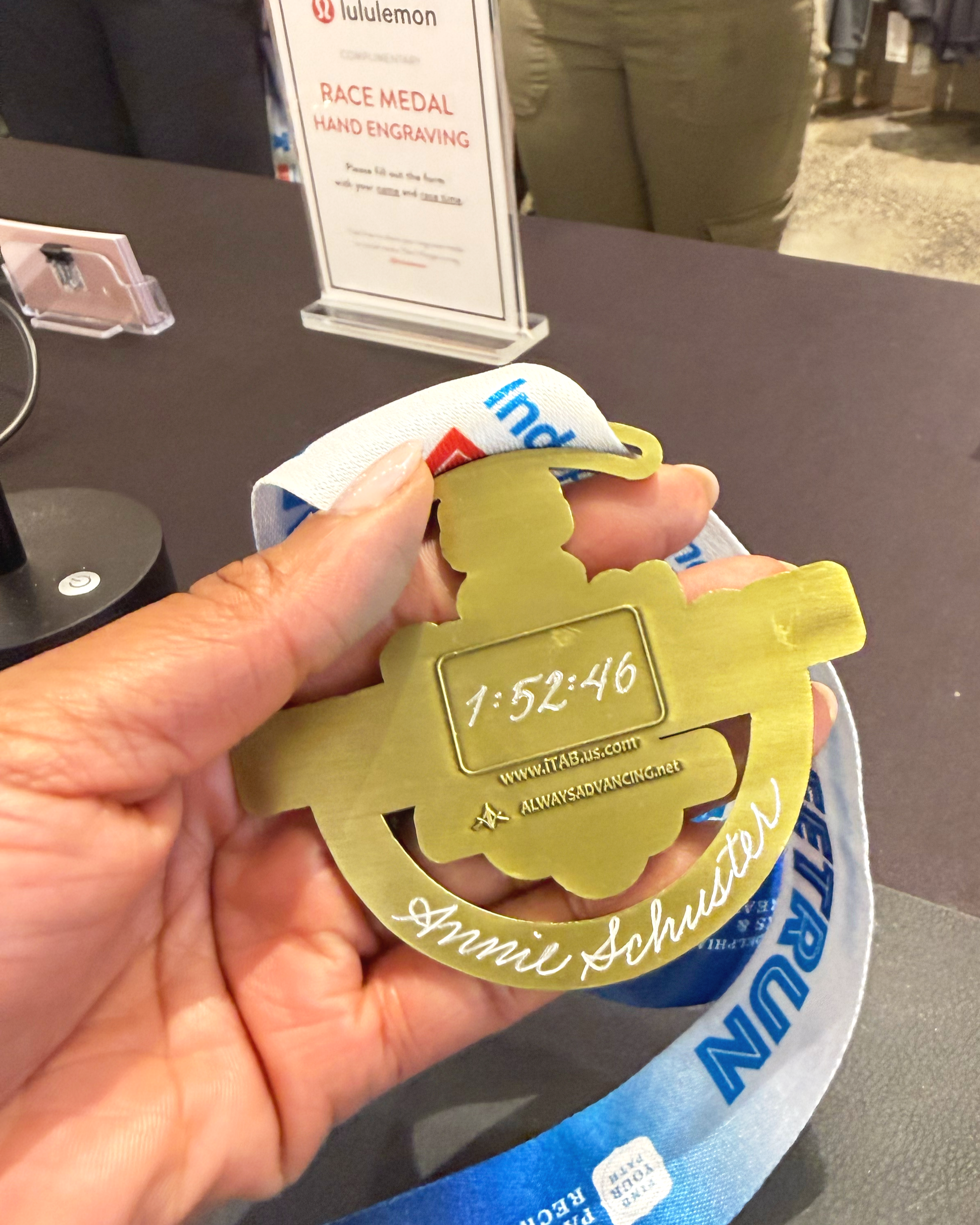
This community has been one of the most generous and supportive I’ve experienced, even as artists inevitably develop very different approaches to pricing their work.
Case in point: this past week, I was outbid on a job involving customized UGGs.
The prospective client ended up sharing the other artist’s rates with me for both the in-studio and on-site options. And honestly, a few years ago, I probably would have approached pricing similarly myself.
But experience changes the way you evaluate a job.
Suddenly, you’re no longer just thinking about the customization itself.
You’re thinking about logistics like:
Ventilation
Setup
Liability
Client communication
Mockups
Packing and organizing
The emotional labor of handling expensive client-supplied goods
The possibility of mistakes
The pacing of the event
The reality is that customization is often the very last step in a much longer workflow.
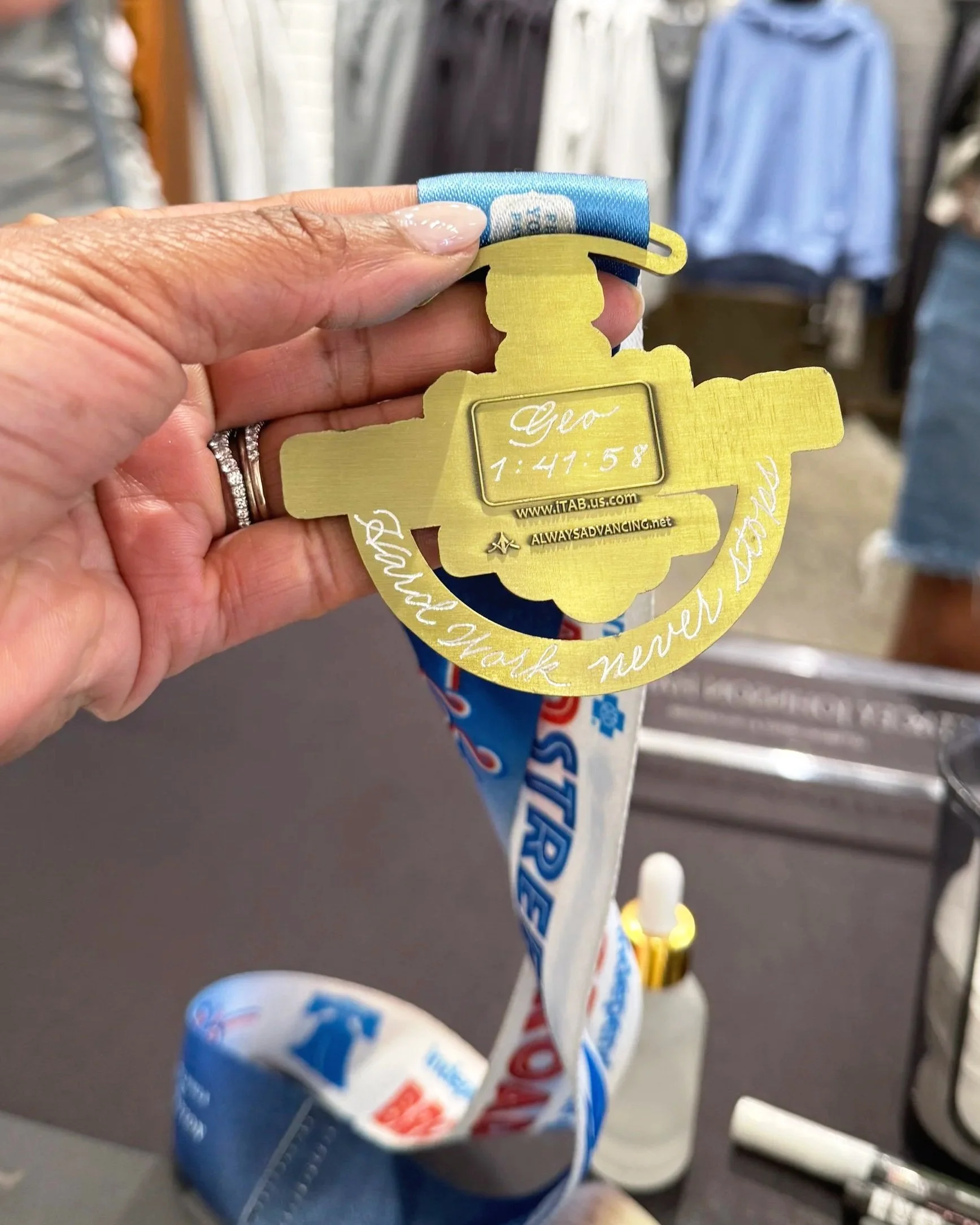
In this particular case, the venue ventilation was unknown and likely didn’t have windows. That alone changes the operational demands of a live leather-burning activation.
And even in-studio, once you begin coordinating item collection, organizing names and icons, confirming placement, unpacking, photographing, proofing, burning, repacking, and shipping everything back out again, you quickly realize the customization itself is only one fraction of the actual labor involved.
That realization tends to hit creatives at different points in their careers.
For some artists, pricing is still based primarily on volume:
x number of items = y amount.
Others price by the estimated hours spent physically customizing.
But over time, many creatives begin realizing they aren’t simply charging for the moment their hand touches the product.
They’re charging for the years, classes and workshops it took to develop the skill, the judgment required to execute the work well, the operational responsibility surrounding the project, and the ability to carry the entire experience professionally from beginning to end.
And yes, sometimes that realization comes after undercharging a few jobs.
Recently, I listened to a conversation between Kat and Alex of the podcast Keeping Up With the Calligraphers and Marie of Maiden September about pricing creative work, and so much of it resonated with me—especially because pricing is one of those topics almost every creative wrestles with at some point.
Let’s face it…Pricing is easily one of the trickiest aspects of a creative career because it can feel deeply personal. Almost emotional.
Sometimes it feels like everyone else instinctively knows what to charge while you’re over there trying to calculate whether your numbers sound “reasonable enough” to another human being. (Been there. Done that. Bought the t-shirt. 🙋🏾♀️)
But I’ve learned something encouraging over time:
Pricing is a skill.
And like most skills, it can be learned.
Personally, what I appreciated most about the conversation was the honest discussion around sustainable pricing and the quiet pressure many creatives feel to underprice themselves simply to remain competitive. Coincidentally, Marie is one of the people who helped shift my thinking tremendously about this. When I started paying attention to the way she approached pricing and logistics and followed through on her advice, my own ability to price projects appropriately grew by leaps and bounds.
Over time, I began thinking through the full scope of a job before ever committing to a rate. And eventually, I started seeing checks that surpassed the $5K mark—something younger me honestly would have struggled to imagine.
I’ve also learned that some clients are simply not my clients.
And surprisingly enough, I can live with that.

If pricing has felt confusing, emotional, or inconsistent in your own creative business, you’re definitely not alone.
In fact, Marie recently announced a mini-course on pricing that will undoubtedly be helpful for many creatives trying to navigate this exact challenge.
Sign up for the waitlist here.
In the meantime, check out Marie’s interview with Kat and Alex of Keeping Up with the Calligraphers.
So, if your pricing structure doesn’t feel medal-worthy yet, you’re probably in very good company. Most creatives have to unlearn quite a bit before they begin pricing in a way that actually supports both their artistry and their sustainability. Be willing to invest in education around your pricing. You definitely can make a great living with your art.